What we look at.
What we can do.
Advanced scans, body composition, fitness testing, genetics, and the data wearables produce. None of these tools is novel. What is different is how they are used - ordered selectively, read in context, and anchored to physician continuity.
What we can do.
CURA brings preventive care, longevity medicine, men’s health and long-term medical oversight into one relationship. That may include medication, investigation, specialist referral, lifestyle intervention or simply knowing when not to intervene. The treatment matters, but so does the judgement around when to use it.

Your Private Physician, for Life.
Most medical relationships are episodic. They become active when something is wrong and quiet again when it settles. CURA is built for continuity. Over time, your physician learns your baseline well enough to recognise when something has changed.
The work changes with you. In your forties, that may mean performance, prevention, fertility and metabolic health. Later, it may mean surveillance, treatment decisions, navigating specialists, supporting family, or planning for serious illness and ageing.
For members in the Longevity Game, that relationship is designed to continue into later life, including home visits, aged-care coordination and support through My Aged Care.
It is what a physician relationship looks like when it does not end.

Team-based performance
A private physician relationship is not a closed system. Good care sometimes requires other people: a psychologist, dietitian, physiotherapist, personal trainer or intimacy coach. The important thing is that they are working toward the same goals rather than in parallel.
CURA brings in allied practitioners selectively, with direct clinical introductions and preferential access where available. Dr Wee remains responsible for the medical picture, helping to decide who should be involved, what they are being asked to do, and how their work fits together.

Hormones, strength and vitality
Changes in energy, libido, strength, body composition and sexual function are not automatically a testosterone problem. They may reflect sleep, stress, metabolic health, medication, fertility, ageing or underlying disease. CURA starts by working out what has actually changed and why.
Where testosterone treatment is appropriate, it is prescribed as part of an ongoing physician relationship, with careful diagnosis, individualised dosing and continued attention to fertility, haematocrit, cardiovascular risk, response and the wider clinical picture. The aim is not to maximise a number, but to restore physiology where it needs restoring while preserving the things that matter around it.
Weight, metabolism and energy
Weight gain is rarely only about weight. It often sits alongside insulin resistance, sleep disruption, declining fitness, loss of muscle and changing appetite regulation. Where medications such as semaglutide (Wegovy) or tirzepatide (Mounjaro) are appropriate, CURA uses them as one part of a broader cardiometabolic plan rather than as the entire strategy.
Treatment is supported by body composition tracking, nutritional input, exercise programming and ongoing metabolic monitoring, with attention to preserving muscle as fat is lost. The aim is not simply to reach a lower number on the scale, but to improve the physiology underneath it and build something sustainable beyond the medication.

Sexual health,properly addressed
Sexual symptoms are often treated as isolated problems. Sometimes a PDE5 inhibitor is enough, but often there is more to understand, including vascular, hormonal, neurological, medication-related and psychological factors. CURA approaches sexual health as part of the wider clinical picture, with targeted investigation where needed.
Treatment may include medication, vacuum or injection therapy, pelvic floor physiotherapy, psychosexual care or coordinated urology referral. After prostate surgery, recovery may require structured rehabilitation over time. The aim is not simply to prescribe for the symptom, but to understand what is driving it and follow the response properly.
What we look at.
Imaging, body composition, fitness testing, genetics and the data wearables produce. None of these tools is particularly novel. What matters is how they are used: ordered selectively, interpreted in context, and connected to a physician who is responsible for what happens next.
DEXA
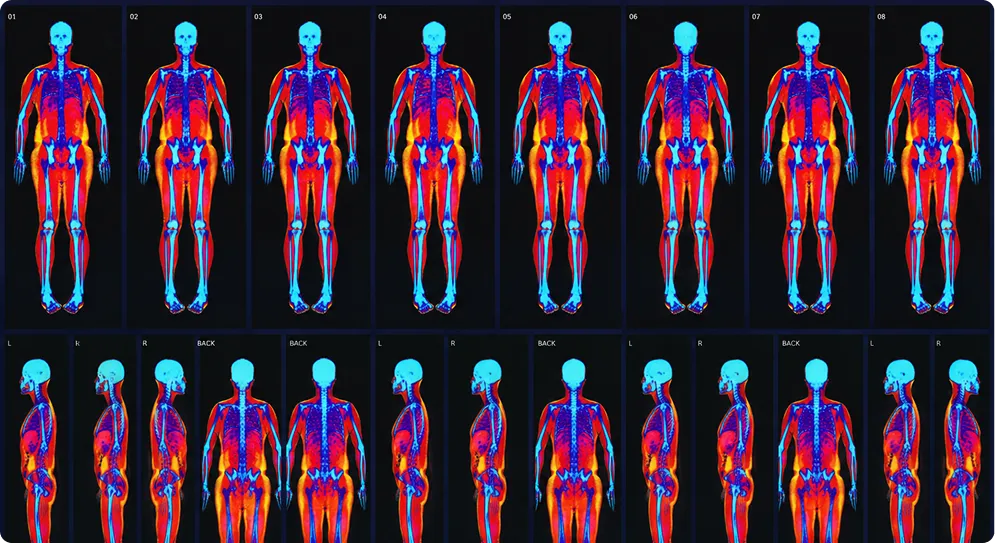
A bathroom scale tells you how much you weigh. DEXA shows how that weight is distributed across fat, lean mass and bone, and can estimate visceral adipose tissue. It can reveal low muscle mass, excess central adiposity or unexpectedly low bone density that may not be obvious from weight or appearance alone.
The value is not in accumulating another set of numbers. It is in deciding whether the finding changes anything: how you train, what you eat, what needs investigating, or what is worth following over time.
Heart Health & Physical Performance
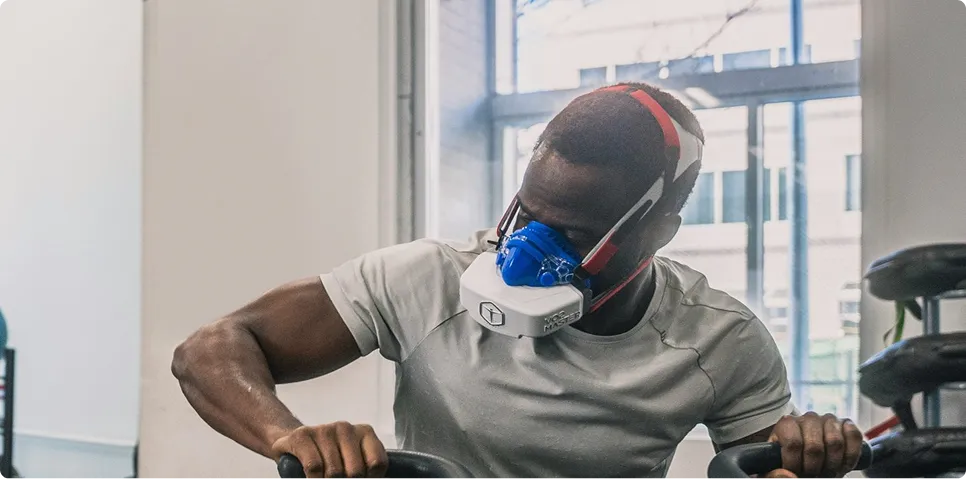
Cardiorespiratory fitness is one of the strongest markers of long-term health. VO₂ max testing measures how effectively the heart, lungs and muscles work together under increasing demand, giving a more useful picture of physical capacity than weight or resting measurements alone.
Testing is performed on a treadmill or bike and interpreted alongside age, symptoms, cardiovascular risk and training history. The purpose is not simply to obtain a score. It is to identify where capacity is being limited, establish a meaningful baseline and decide whether the next step is training, further investigation or simply maintaining what is already working.
Most men know their weight, cholesterol and blood pressure. Far fewer know how well their body actually performs.
Advanced Imaging
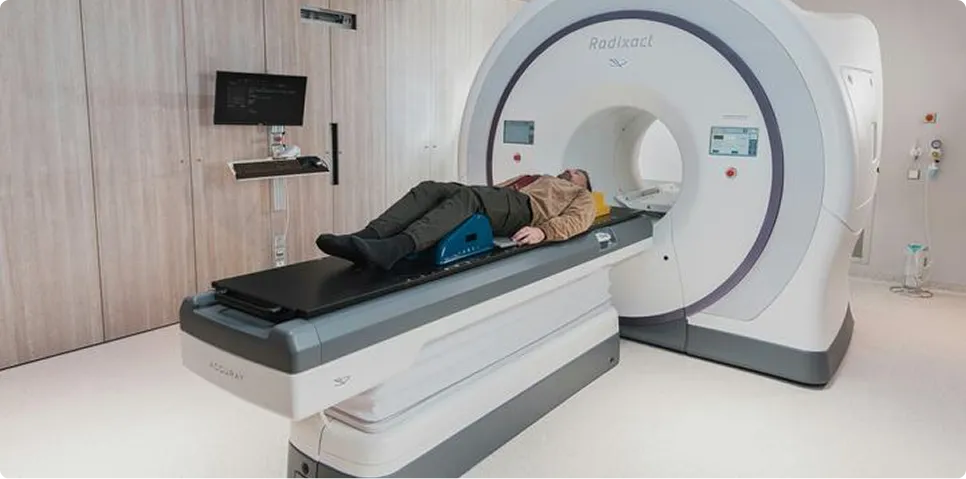
Imaging can answer questions that blood tests cannot. A coronary calcium score can refine cardiovascular risk when the result is likely to change management. Liver ultrasound or FibroScan can assess steatosis and fibrosis when metabolic risk or liver tests warrant a closer look. MRI may occasionally be useful when there is a specific neurological question or a reason to establish a structural baseline.
None of these tests is routine. Each is ordered because there is a clinical question worth answering and because the result has a reasonable chance of changing what happens next. The skill is not in ordering more imaging, but in knowing which test is worth doing, when to do it, and when not to look.
Genomics and Biological Risk
Genetic testing can identify inherited cancer and cardiovascular risk, while pharmacogenomics may sometimes help guide medication choice or dosing. Other tools, including epigenetic-age and microbiome testing, can provide additional biological information, but their clinical usefulness is more limited and often exploratory.
CURA uses these tests selectively. Some results change screening, prescribing or surveillance. Others are better treated as context rather than a call to intervene. The value is not in generating more data, but in knowing which findings should change care and which should simply be understood.
Wearable Integration
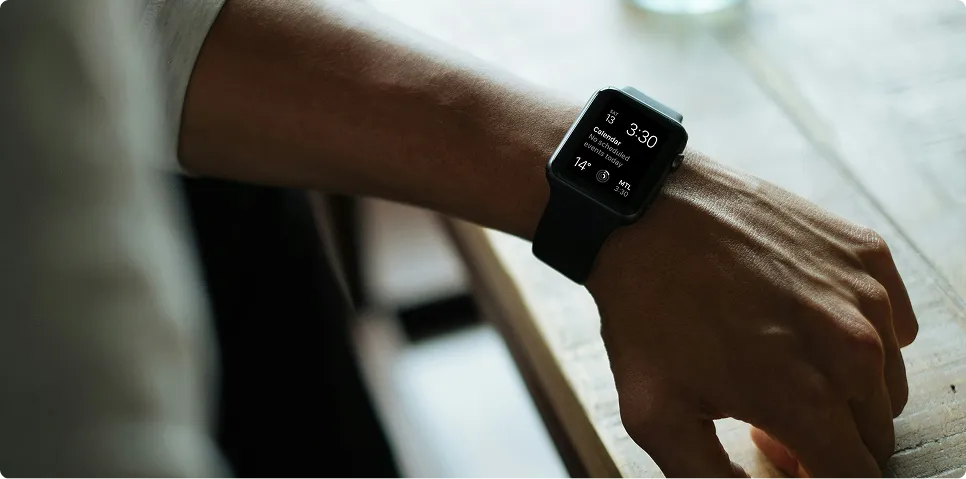
Wearables can reveal patterns that a single clinic measurement may miss. Sleep, resting heart rate, activity, glucose trends and body composition can all be useful when interpreted over time, but the data is only as valuable as the question being asked. CURA uses wearables selectively, with attention to signal, noise and whether a finding is likely to change care.
Members in the Cardiometabolic and Longevity Game tracks may receive an Oura Ring or InBody scale, with relevant trends reviewed during follow-up. The aim is not continuous self-surveillance. It is to use longitudinal data when it adds something clinically useful, and ignore it when it does not.
Tools matter. The hand that holds them matters more.
Every capability on this page exists somewhere else. The difference is how it is used, by whom, and in what context. The Men’s Health Strategy Intensive is where we decide what is worth measuring, what may change your care, and what can safely be left alone.